
Tesla’s plan to deploy thousands of <$20 k Optimus units by 2025 could ignite a productivity boom, reshape wages, and trigger the biggest re-skilling wave since the PC.
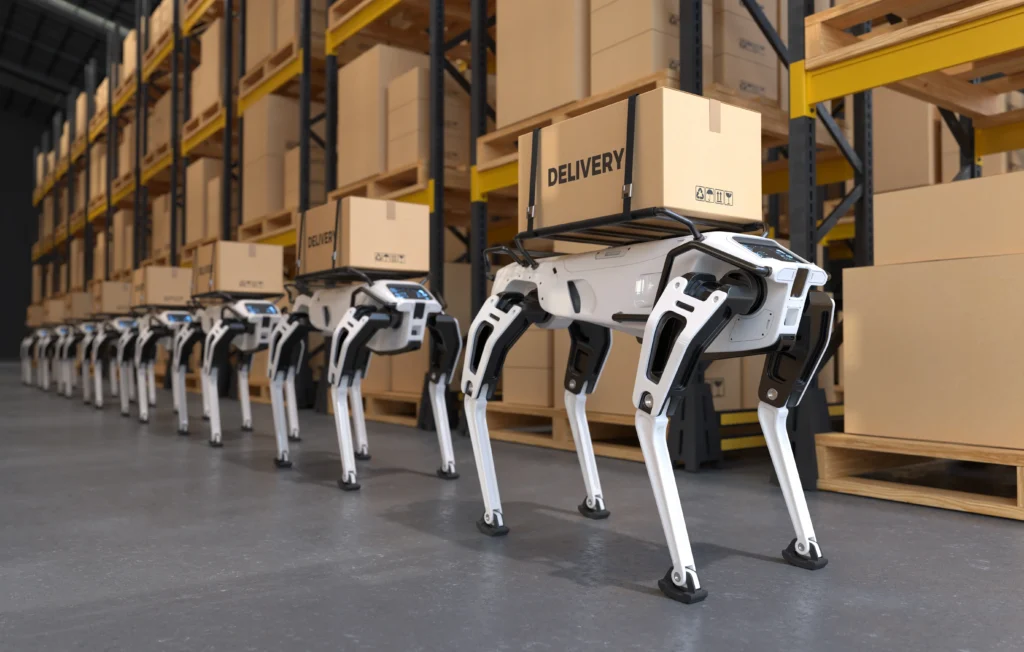
Industrial robots aren’t new—automakers installed the first Unimates in 1961—but they’ve always been rigid, single-task machines bolted to the ground. Tesla’s Optimus aims to break that mould: a bi-pedal, AI-driven generalist designed to slot into human workflows without rebuilding the plant.
At Tesla’s Q1-2025 earnings call, Elon Musk said “we expect to have thousands of Optimus robots working in Tesla factories by the end of this year” and projected one million units annually by 2029–30. (earningscall.ai)
If those numbers hold, humanoid robots shift from sci-fi to shop-floor reality—forcing economists, unions, and policymakers to rethink the price of labor, the pace of productivity, and who captures the value created.
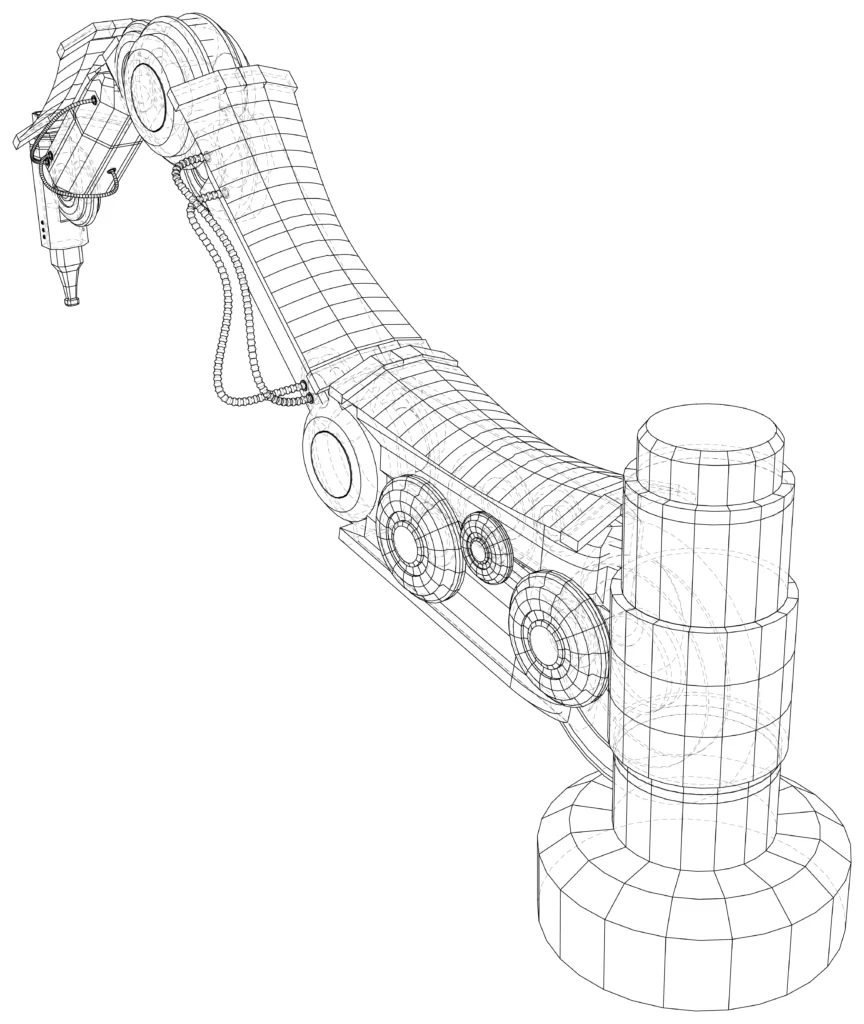
| Spec | Detail | Source |
|---|---|---|
| Height/Weight | 173 cm / 57 kg | Tesla AI Day 2023 |
| Payload | 20 kg deadlift, 9 kg arm carry | Tesla AI Day 2023 |
| Actuators | 28 custom electric joints | Tesla |
| Battery | 2.3 kWh pack, >24 h mixed-task runtime | Tesla |
| On-board brain | Tesla FSD computer + neural net | Tesla AI page |
Musk positions Optimus as the “biggest product of all time,” leveraging power-electronics, batteries, and AI chips already amortised across millions of cars. (tesla.com)
The International Federation of Robotics lists humanoids among the top five global robotics trends for 2024, citing labor shortages and flexible automation demand. (ifr.org)

| Year | Units (goal) | Unit Cost (est.) | Notes |
|---|---|---|---|
| 2024 | 500 prototypes | N/A | Internal testing |
| 2025 | 5 k–10 k | <$25 k | Tesla factories only (electrek.co) |
| 2026 | 50 k+ | $22 k | External pilots |
| 2029 | 1 M/yr | ≤$20 k | Third-party sales (electrek.co) |
Learning-rate math: Tesla’s EV packs dropped 85 % in a decade; if Optimus mirrors a 20 % cost decline per cumulative production doubling, a <$10 k unit before 2033 is plausible—cheaper than a year of U.S. minimum-wage labor.
Compare to $28 /hr median U.S. manufacturing wage (BLS 2024). Even after integration costs, Optimus yields a 20–25× labor-hour arbitrage.
McKinsey’s landmark automation study projects 0.8–1.4 pp extra annual productivity growth if automation scales.
Yet MIT’s 2024 “Workers & Automation” survey of 9 000 employees across nine nations found net-positive sentiment toward robots when employers invest in safety and up-skilling.
Takeaway: wage pressure could bifurcate—routine roles commoditise, while robot-maintenance, AI-ops, and integration engineers command premiums.
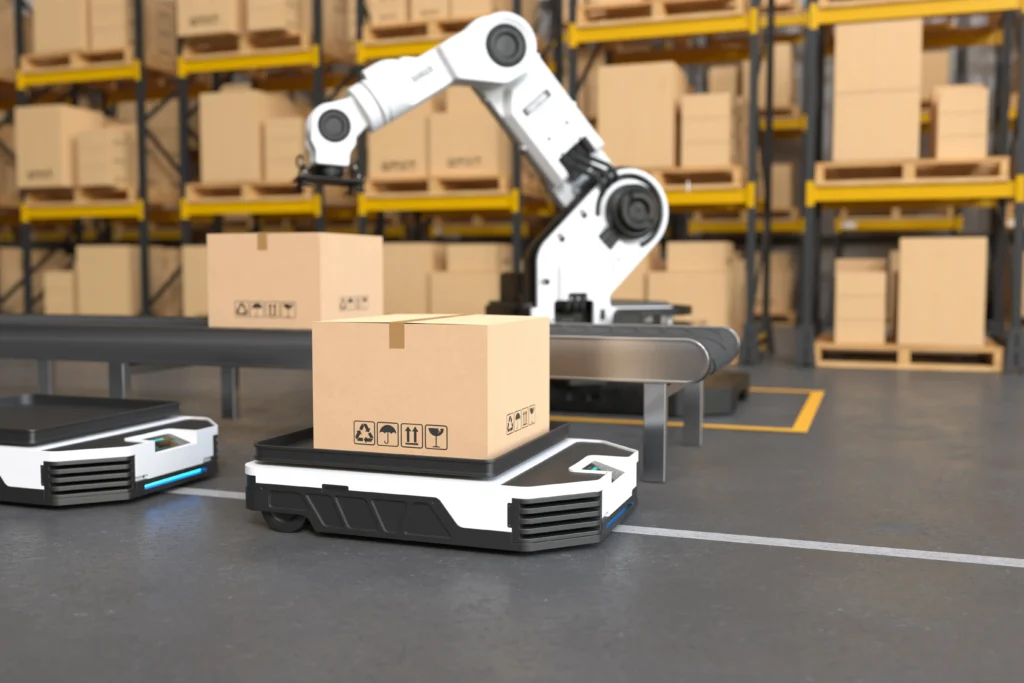
Tesla’s internal memo (leaked to Electrek) outlines a pilot with 500 Optimus units across battery-cell packaging, paint-shop logistics, and end-of-line inspections:
If scaled plant-wide, Austin could add 30 % capacity without floor-space expansion, effectively a brown-field productivity lever.
The IFR forecasts industrial and service-robot installations to top 500 k units/yr by 2027, with humanoids entering “disruptive” phase. (ifr.org)
Scenario analysis:
| Metric | 2024 | 2030 (low) | 2030 (high) |
|---|---|---|---|
| Humanoid robots in service | 2 k | 1 M | 5 M |
| Global labor hours displaced | 0.02 Bn | 5 Bn | 25 Bn |
| Productivity uplift | +0.1 pp | +1.0 pp | +2.0 pp |
| Net jobs created (AI-adjacent) | — | +0.5 M | +2 M |
Even the “high” scenario automates <5 % of global annual work hours, echoing McKinsey’s finding that only some occupational tasks—not entire jobs—vanish. The larger challenge is re-skilling velocity.

Humanoid robots now sit at the same inflection point industrial robots did in the late 1980s. With Optimus units targeting <$20 k and forecasts of thousands deployed by 2025 (electrek.co), the economics already undercut human labor in repetitive tasks—if reliability and safety hurdles clear.
For executives, the question isn’t if humanoids will reshape cost structures; it’s how fast to pilot, integrate, and re-train the workforce to ride the resulting productivity wave. Early movers could lock in decade-long cost advantages; laggards risk margin compression—and talent flight—to robo-savvy competitors.