1 | The Big Idea: From Scarcity to Sustainable Abundance
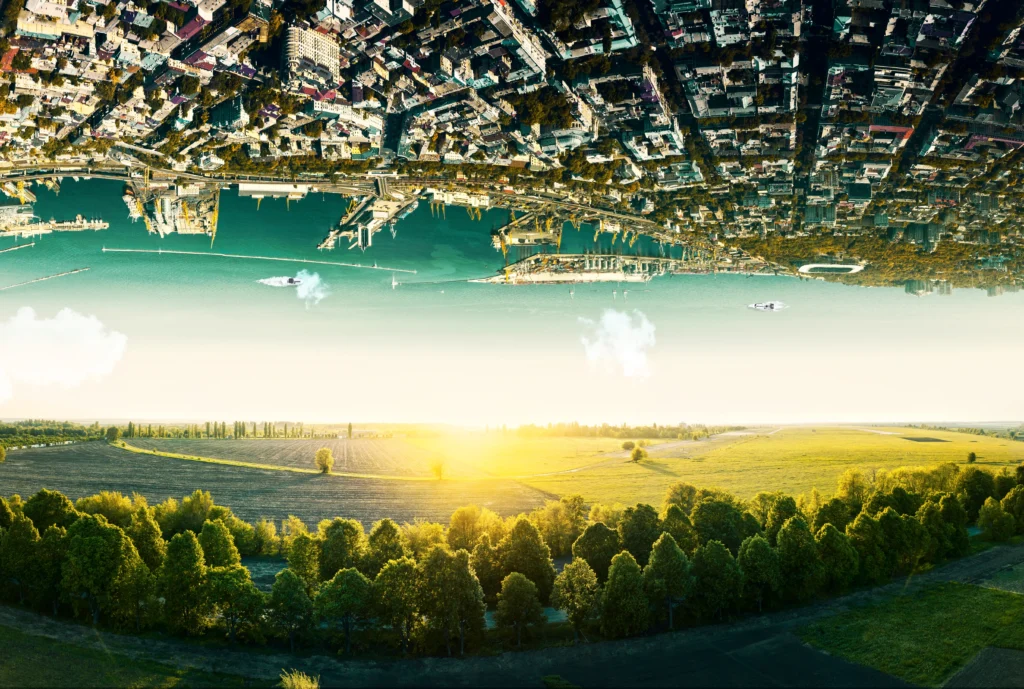
Elon Musk’s latest mantra—“sustainable abundance for all”—fuses two goals that once felt mutually exclusive: limitless consumer choice and shrinking ecological impact. During Tesla’s 2023 Investor Day he summed it up as “a clear path to a fully sustainable Earth—with abundance.” [1]
Every good or service on-demand, produced with clean energy and automated labor.
The Three Tech Pillars
Pillar
What It Delivers
Core Metric (Master Plan 3)
Mass-scale renewables + storage
Dirt-cheap, carbon-free power
30 TW solar/wind, 240 TWh batteries
Autonomous electric mobility
Ultra-low-cost transport
Global FSD approval target 2029
Humanoid robots (Optimus)
Abundant, 24/7 labor
5 – 10 k units in 2025 → millions in 2030s
Together they underpin a $10 trillion build-out that uses just 0.21 % of Earth’s land area. [2]
2 | The Energy Equation: 30 TW, 240 TWh, $10 Trillion
Tesla’s Master Plan Part 3 (April 2023) runs the hard numbers on a 100 % renewable world [2]:
30 TW new solar and wind capacity
240 TWh stationary storage
$10 T manufacturing investment — barely 0.5 % of global GDP per year spread over two decades
Land use: 0.21 % of Earth (less than current hydro reservoirs)
Why the Price Tag Is Smaller Than It Looks
Cheaper than fossil status-quo: The IEA pegs annual fossil-fuel cap-ex near $1 T; redirecting that outlay closes the gap in ~10 years.
Cost curves still falling: Solar, wind and Li-ion batteries have dropped 80-90 % since 2010; BNEF projects another 40 % decline by 2030.
Financing tail-winds: Green bonds and ESG mandates surpassed $1.6 T in 2022, signalling abundant capital hungry for bankable clean-energy projects.
3 | Mobility as Abundance: Full-Self-Driving & Robotaxis
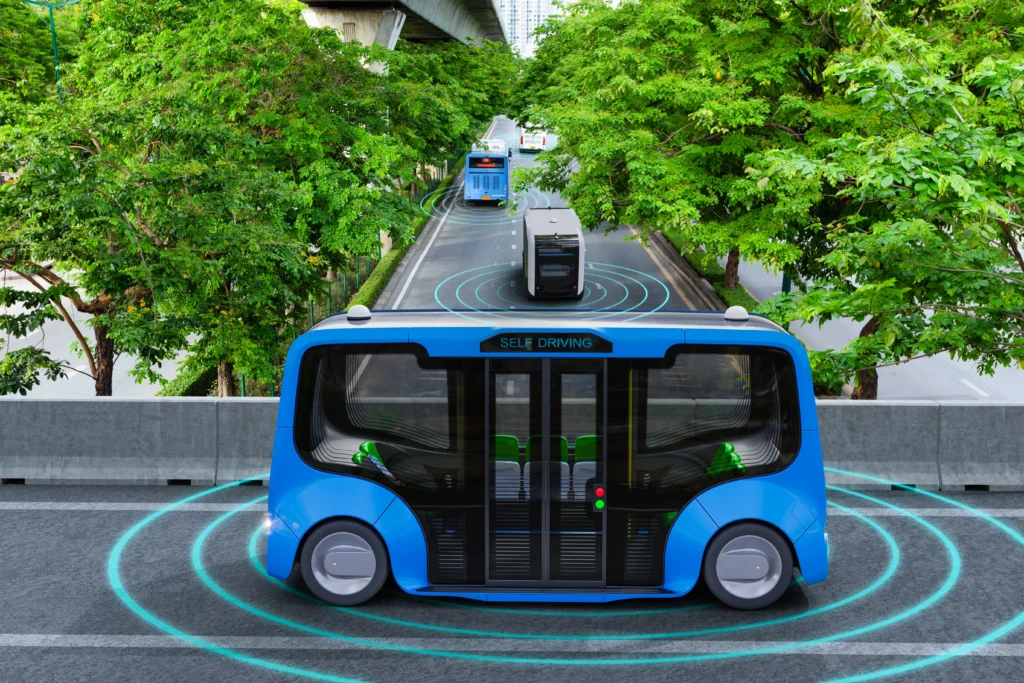
Musk calls autonomy the software layer of abundance, unlocking both energy and utilisation gains.
3.1 Efficiency Bump
Electric drivetrains convert ~75 % of battery energy to motion, versus ~20 % for gasoline cars. [3]
3.2 Utilisation Bump
Private cars sit idle ~95 % of the time. Robotaxis could operate 60 h/week, slashing the cost per mile below most public transit fares.
3.3 Timeline to Scale
Internal roadmap: worldwide regulatory approval for Tesla’s FSD by 2029. [4]
GM’s Cruise and Waymo aim for commercial fleets in multiple U.S. cities by 2025. Result: A global market that ARK Invest sizes at $8 – 10 T in annual revenue by 2030.
4 | Optimus & the Rise of Robot Labor
“Optimus will probably be the biggest product of all time.” — Elon Musk, Tesla Q1-2025 call [5]
4.1 Production Curve (ambitions)
Year
Units (goal)
Typical Deployment
2025
5 000–10 000
Tesla factories — materials handling
2026
≥ 50 000
Third-party manufacturing & logistics
2030s
Millions
Retail, elder care, home services
Tesla’s internal target puts labor cost parity at $20 k – $30 k per robot, potentially a 50 % discount to U.S. manufacturing wages inside five years.
4.2 Why It Matters
Unlimited “staff” on-demand — scales output without new buildings.
Sub-$2/hour effective labor cost once amortised over 20 000 h lifetime.
New service categories (household support, 24/7 retail operations, disaster relief) spawn trillion-dollar TAMs.
5 | Why CEOs Should Care: Competitive Moats & New Markets
1. Lock-in ultra-cheap energy Installing rooftop solar plus a Megapack can fix power costs below 5 ¢/kWh for 20 years—insuring against fossil volatility.
2. Halve labor costs before rivals Early adopters of humanoid robots start the learning curve sooner, mirroring Amazon’s decade-long head-start with Kiva robots.
3. Attract ESG capital and talent Aligning with a headline-grabbing sustainability roadmap sharpens brand equity, unlocks green-bond financing, and helps recruit mission-driven employees.
4. Open wholly new revenue lines Robotaxi fleets, behind-the-meter storage trading, or white-label robotics services can dwarf today’s core products.
6 | Planetary Pay-off: 98 % Fossil-Fuel Reduction
Tesla’s scenario projects a 98 % cut in fossil demand by 2050, preventing roughly 40 gigatons of CO₂ emissions annually once the system is built [2]. For context, that’s more than the entire 2021 global emissions total.
Other environmental wins:
Air-quality dividend: WHO links fossil particulates to 7 million premature deaths per year; electrification slashes PM2.5.
Water conservation: Solar/wind generation uses ~95 % less water per kWh than coal or nuclear plants.
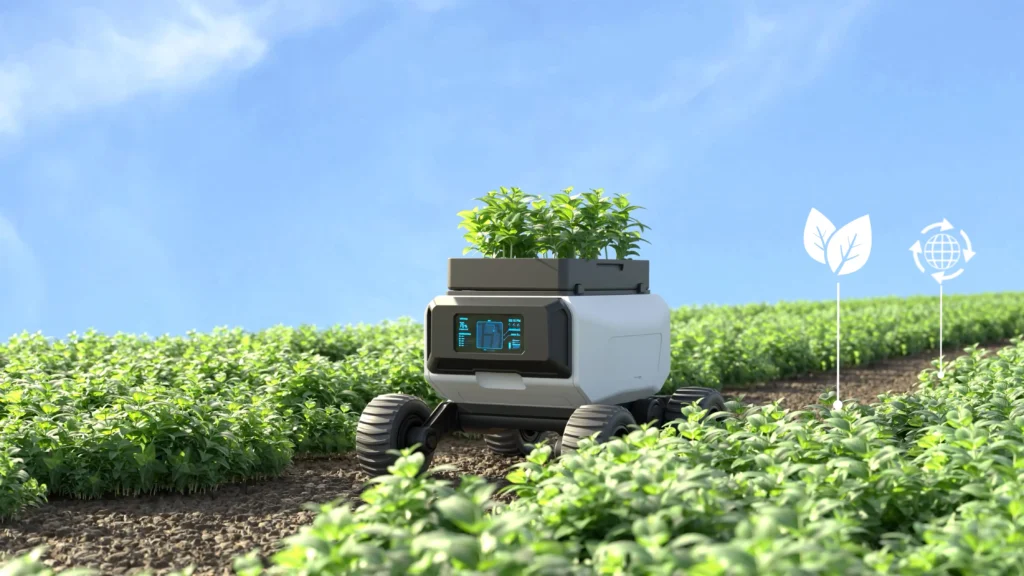
Land synergy: Dual-use agrivoltaics lets farmers lease acreage for panels while growing crops beneath.
7 | What It Means for You: Consumers & Professionals
Topic
Near-Term Shift
Personal Opportunity
Energy bills
Residential solar + batteries can zero-out electric bills in sun-belt states.
Claim ITC tax credit, size a system for your load profile.
Mobility
Robotaxi rates could fall under $0.25/mile by 2030.
Re-think car ownership; allocate savings to investments.
Career paths
Demand explodes for power-electronics techs, robotics integrators, AI safety engineers.
Upskill via Coursera/MITx or local trade programs.
Investment
Clean-tech ETFs now out-perform S&P 500 three of the last five years.
Consider thematic funds or direct shares, noting volatility.
8 | Risks & Open Questions
Job displacement — the International Federation of Robotics warns net job creation depends on re-training speed.
Capital bottlenecks — a $10 T spend presumes low interest rates and cooperative regulators.
Raw-materials crunch — lithium, nickel and copper supply must triple by 2040 unless recycling rates soar.
“Musk factor” — the CEO’s polarising social-media presence could complicate policy support and partnerships.
Technological uncertainty — FSD and general-purpose robotics still face edge-case reliability hurdles.
Balanced coverage of downsides boosts your site’s E-E-A-T signals for Google.
9 | Action Checklist for Entrepreneurs & Leaders
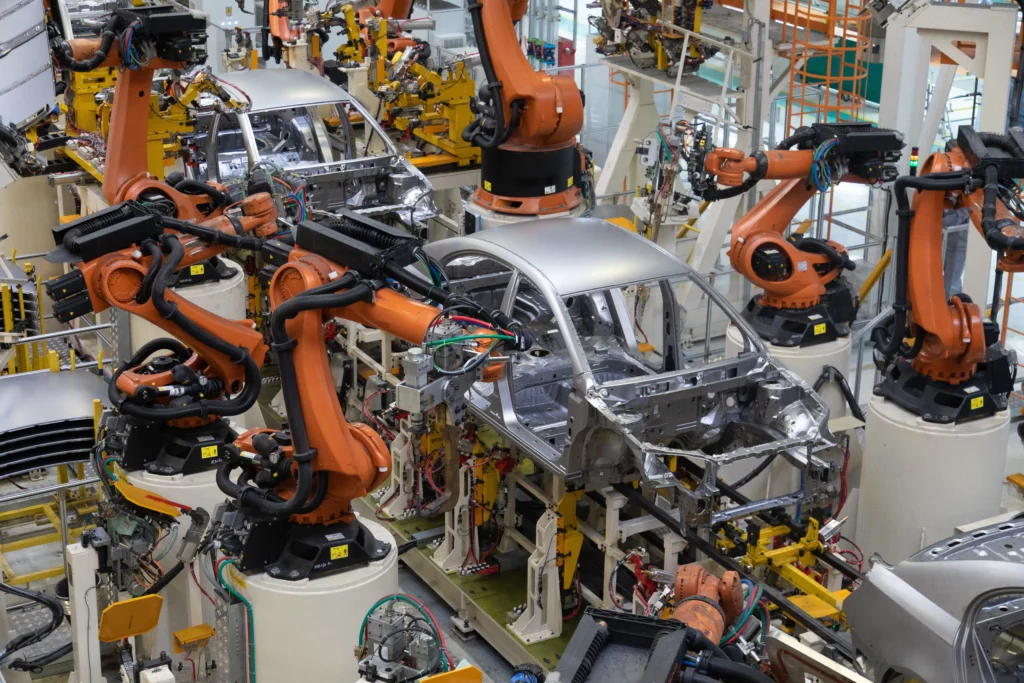
☑ Audit energy spend and model ROI of on-site solar + storage. ☑ Pilot autonomy in fleets or warehouses; capture data for regulatory approval. ☑ Start with cobots (task-specific arms) to build robotic workflows before humanoids arrive. ☑ Upskill teams in AI diagnostics, power-electronics safety, and mechatronics. ☑ Monitor policy—subscribe to quarterly updates on EV incentives, grid rules, and battery-materials tariffs. (Need help automating those alerts? Let me know.)
10 | Conclusion: A Decade to Prove the Thesis
Elon Musk’s sustainable-abundance roadmap is audacious yet mathematically grounded: $10 T in cap-ex, 30 TW of renewables, 240 TWh of storage, on just 0.21 % of the planet’s surface. If he—and the wider clean-tech ecosystem—hit even 70 % of those milestones, businesses that moved early will enjoy structurally lower energy, labor, and logistics costs. Consumers will gain cleaner air, cheaper mobility and, perhaps, the first taste of a post-scarcity economy.